What is Slow Living?
What Is Slow Living? A Simpler Way to Enjoy Everyday Life
Slow living is not about moving through life at a snail’s pace.
It isn’t about giving up your responsibilities, living in the countryside, or creating a perfectly peaceful home where nothing ever goes wrong.
Slow living is about becoming more intentional with the way you spend your time, your attention, and your energy.
It is about noticing the life you are already living—and making room to actually experience it.
What Does Slow Living Mean?
In a world that constantly encourages us to hurry, accomplish, buy, improve, and move on to the next thing, slow living offers a different approach.
Instead of asking:
“How much can I get done today?”
you might begin asking:
“What matters most to me today?”
That small change can make a surprising difference.
Slow living encourages us to pause before automatically filling our calendars, homes, and minds with more.
It invites us to choose what feels meaningful rather than simply what feels urgent.
Slow Living Doesn’t Mean Doing Nothing
This is one of the biggest misconceptions about slow living.
You can have a busy life and still practice slow living.
You may have work, family responsibilities, appointments, errands, housework, and a long list of things that need your attention.
Slow living doesn’t necessarily remove those things.
Instead, it encourages you to move through them with greater awareness.
Making breakfast can become an opportunity to enjoy the quiet of the morning.
Folding laundry can become a simple, repetitive task rather than something you rush through while thinking about everything else.
Working in your garden can become time to notice the sunshine, the birds, and the feel of the soil.
Even an ordinary cup of tea can become a little pause in the day.
Slow Living Is About Paying Attention
Perhaps the simplest way to describe slow living is this:
Pay attention to your life while you’re living it.
Notice the morning light coming through the window.
Listen when someone is telling you a story.
Enjoy the meal you prepared instead of eating while distracted.
Take a walk without feeling that you need to turn it into exercise.
Spend an afternoon making something simply because you enjoy creating.
These moments may seem insignificant.
But a life is made up of insignificant moments.
And when we begin paying attention to them, ordinary days can start to feel much richer.
Creating a Slower Home
Your home can become an important part of practicing slow living.
It doesn’t have to look like a magazine photograph.
A slower home is less about decorating style and more about how the space makes you feel.
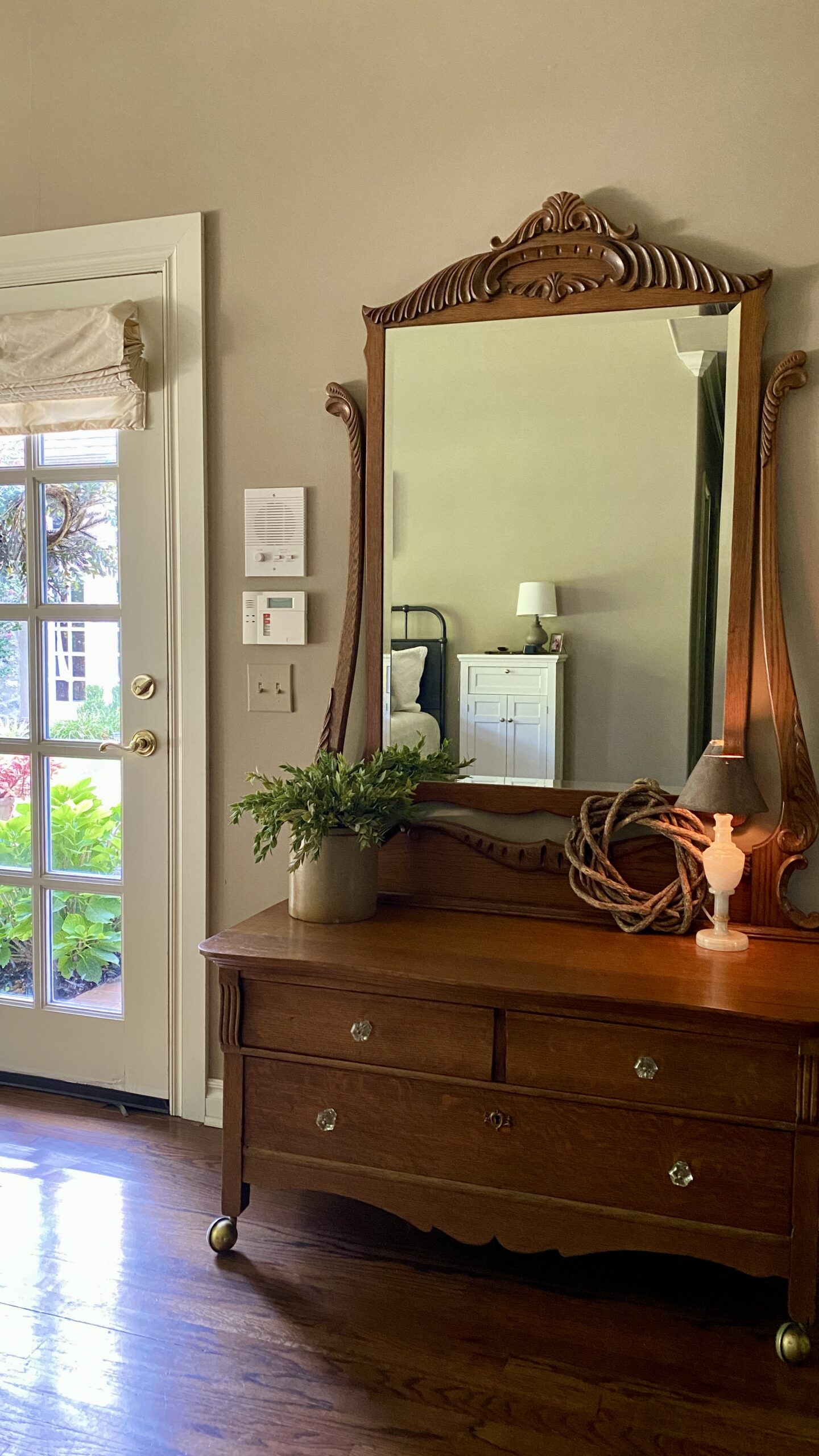
You might remove things that create visual clutter.
Keep the objects you love where you can enjoy them.
Create a comfortable chair for reading or resting.
Keep your favorite creative supplies within reach.
Let natural light into the rooms whenever possible.
Create a small corner where you can sit quietly with a cup of coffee or tea.
Your home doesn’t have to be perfect to be peaceful.
Sometimes creating calm simply means making your home feel more like you.
Slow Living and Creativity
Creativity fits naturally into a slower way of life.
You don’t have to create something impressive.
You don’t even have to finish what you start.
Paint.
Draw.
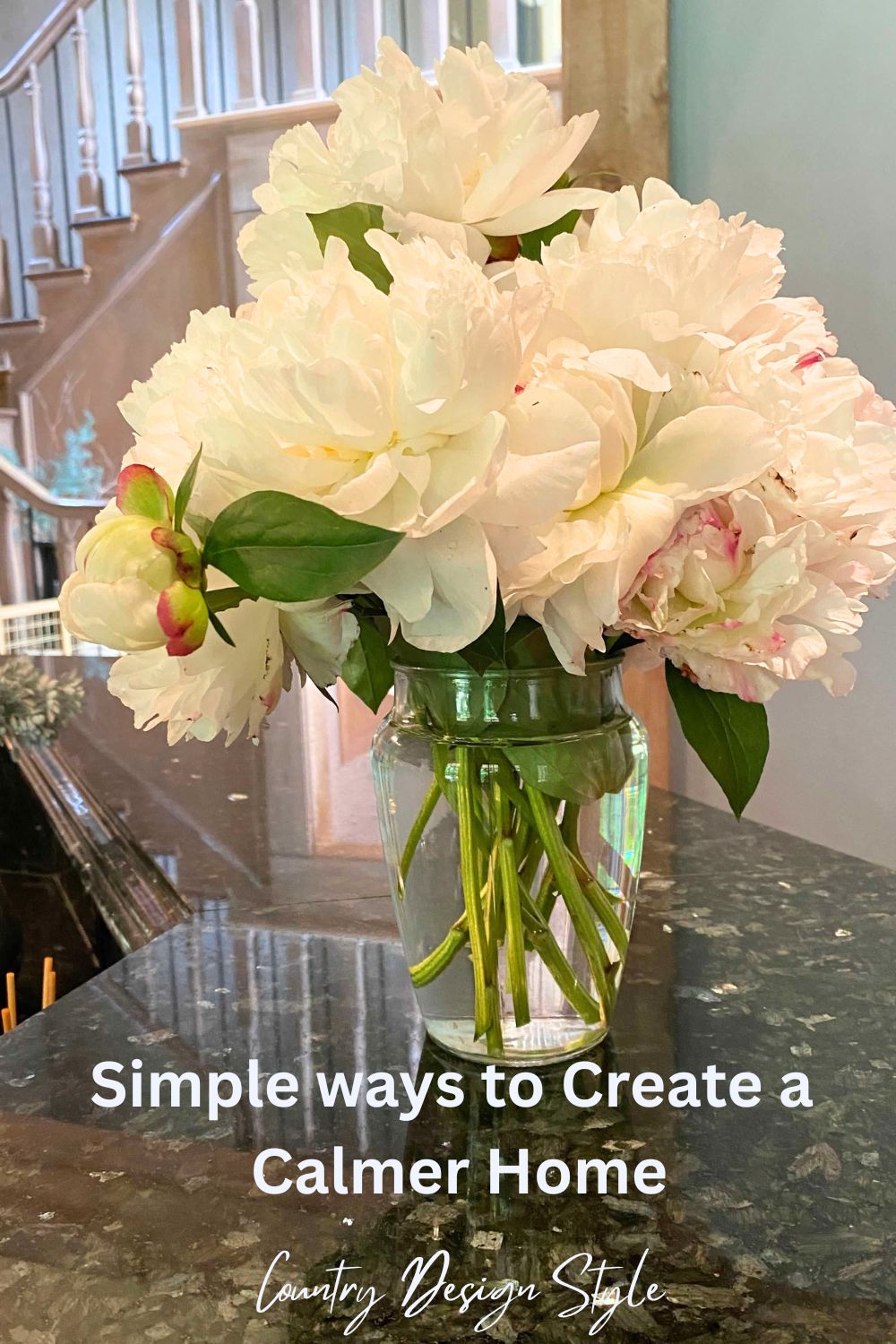
Arrange flowers.
Repurpose something old.
Work on a craft project.
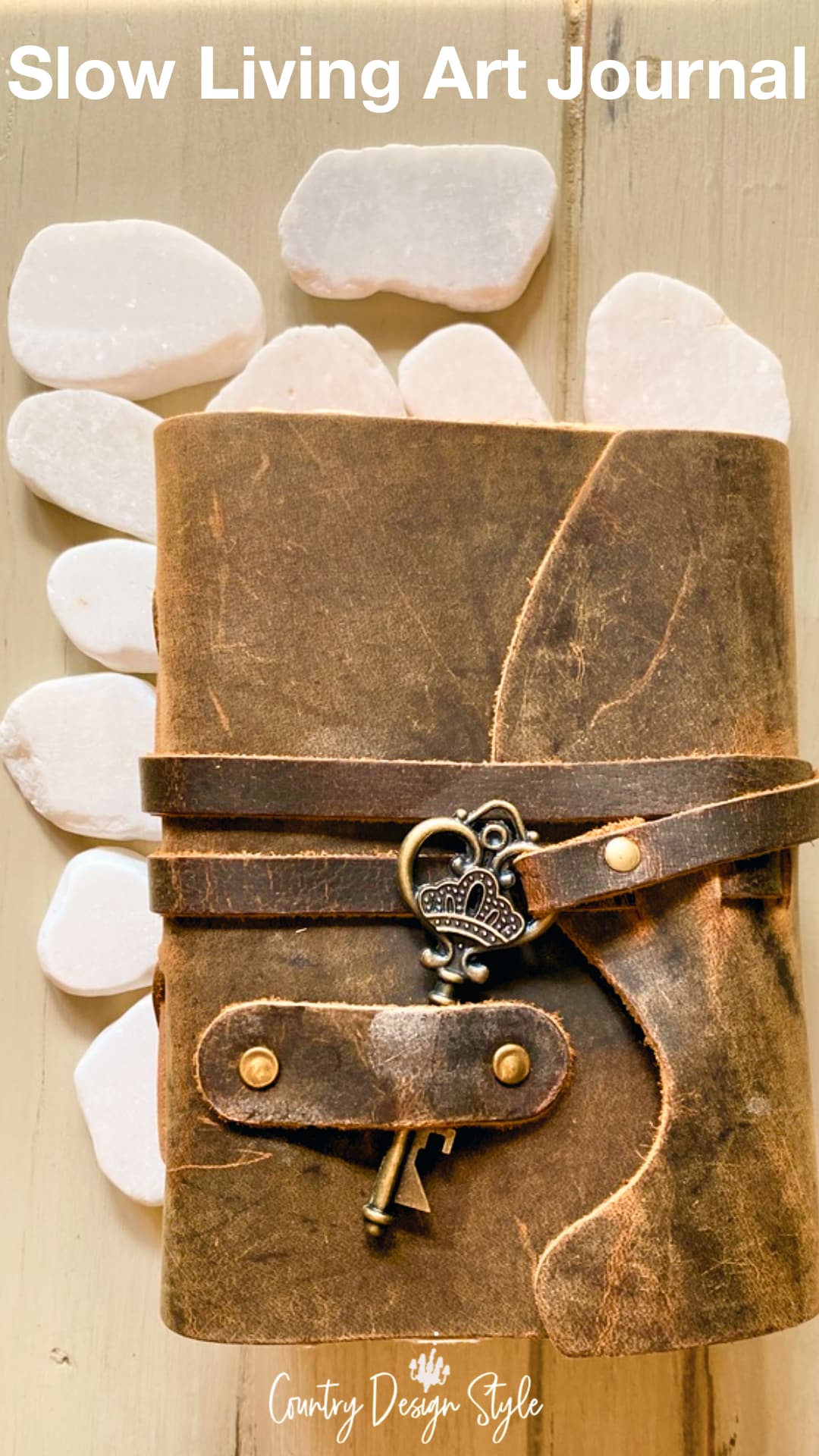
Write in a journal.
Experiment with watercolor.
Make something with your hands.
The purpose isn’t necessarily the finished project.
Sometimes the real gift is the time spent creating.
There is something wonderfully calming about stepping away from the pressure to produce and simply allowing yourself to play.
Slow Living Means Making Room for What Matters
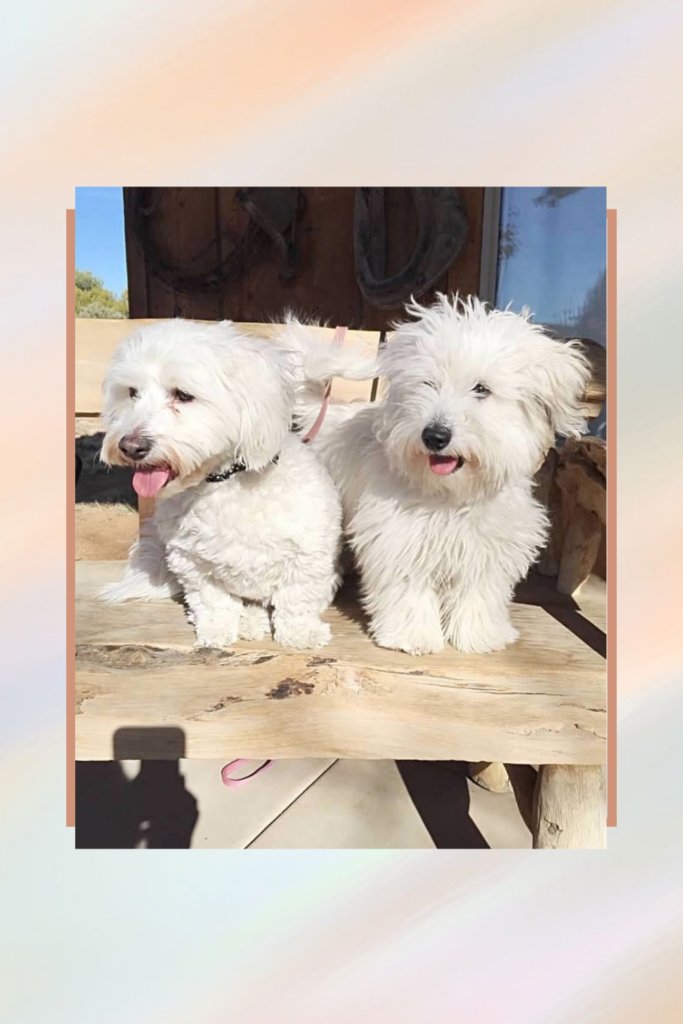
One of the most valuable parts of slow living is learning to recognize what deserves your attention. For me it’s our puppies & Mike.
Maybe it is spending time with family.
Maybe it is creativity.
Maybe it is your home.
Maybe it is taking care of yourself.
Maybe it is sitting outside for a few quiet minutes.
Maybe it is finally making time for something you’ve always enjoyed.
When you know what matters to you, it becomes easier to say no to things that don’t.
You don’t have to say yes to every invitation, every project, every trend, or every opportunity.
Sometimes “not today” is a perfectly good answer.
Start Small
You don’t have to completely change your life to begin living more slowly.
Start with one small moment.
Drink your morning coffee without looking at your phone.
Take ten minutes to sit outside.
Put away one small area of clutter.
Prepare a meal without rushing.
Spend fifteen minutes on a creative project.
Write down three things you noticed today.
Turn off the television and listen to music.
Go for a short walk and leave your phone behind.
Small pauses can become habits.
And habits can gradually change the way a day feels.
A Slower Life Can Still Be a Full Life
Slow living isn’t about having fewer experiences.
It is about experiencing more of the life you already have.
It is noticing the people you love.
Enjoying your home.
Making things with your hands.
Taking pleasure in simple routines.
Leaving room for rest.
Letting some things remain unfinished.
And remembering that you don’t have to hurry through every season of your life.
Perhaps slow living isn’t really about slowing down.
Perhaps it’s about stopping long enough to notice where you are.
And sometimes, that is where the beauty is.